

A Grid Integration Study is a technical assessment conducted to evaluate how a Renewable Energy (RE) Plant, such as a solar or wind power project, will connect and operate with the electrical grid. The study ensures that the power generated by the plant can be safely, reliably, and efficiently transmitted without affecting grid stability, power quality, or system performance.
As renewable energy installations continue to grow, grid integration studies have become essential for obtaining grid connectivity approvals and ensuring compliance with utility and regulatory requirements.

Connectivity plays a vital role in the successful operation of a Ready Mix Concrete (RMC) Plant. Efficient transportation networks, easy access to raw materials, and proximity to construction sites help ensure timely concrete delivery, reduced operational costs, and improved customer satisfaction. A strategically located RMC plant with excellent connectivity can significantly enhance productivity and profitability.

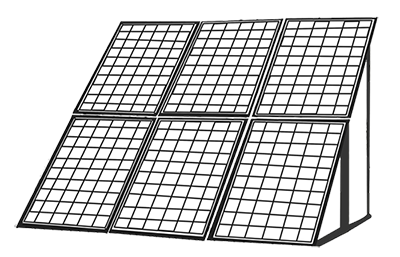
Solar energy is no longer a vision of the future; it’s a reality shaping the world today. As one of the most abundant and cleanest energy sources available, solar power offers an eco-friendly solution to meet growing energy demands while reducing our carbon footprint.
Switching to solar energy isn’t just about environmental responsibility t’s also a smart financial decision. By generating electricity directly from the sun, solar panels can significantly reduce monthly utility bills for both homeowners and businesses. With government incentives, tax credits, and financing option.

Copyright © 2026 Sakshisakshamrenewableenergy. All Rights Reserved.
Design and Developed by: Visionartinfotech